











You know the theory. What comes first?
From patient information to choosing priorities.
A new way to practise clinical reasoning, one unfolding scenario at a time.
Think, act and reflect in a space for learning.
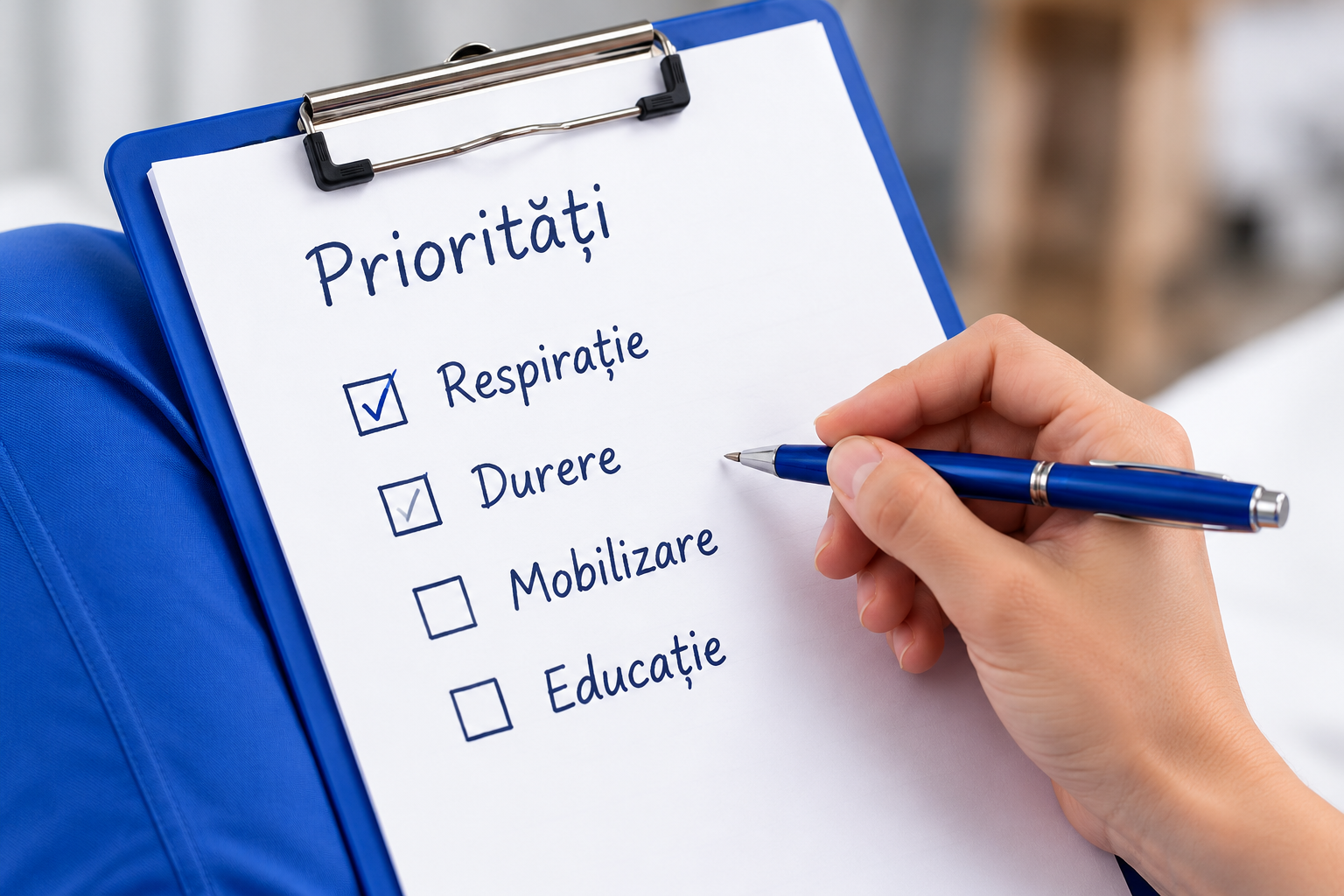
Analyse information, identify problems and set priorities.
Every choice influences the course of the case.
Receive explanations and learn from consequences.
A patient story. Information to interpret. Decisions to explain.
Discover relevant information from the patient’s story step by step.
Manage time and priorities, as you would in practice.
Choose assessments, interventions and a care plan.
Use feedback and explanations to strengthen your reasoning.
One patient story. Your decisions shape what comes next.
Explore the context, observe the patient’s state and interpret the initial information.
Set priorities and choose interventions. Each action influences clinical time.
The patient’s state evolves. New findings appear; reassess and choose your next step.
Explain your reasoning, explore AI-assisted feedback and reflection, then revisit your decision.
TRY NURSE
Explore a patient’s story, one choice at a time.
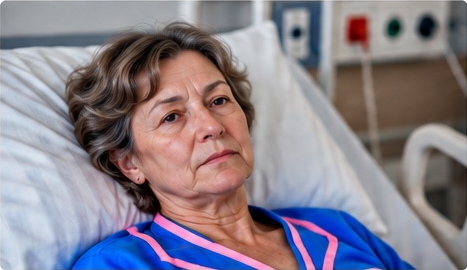
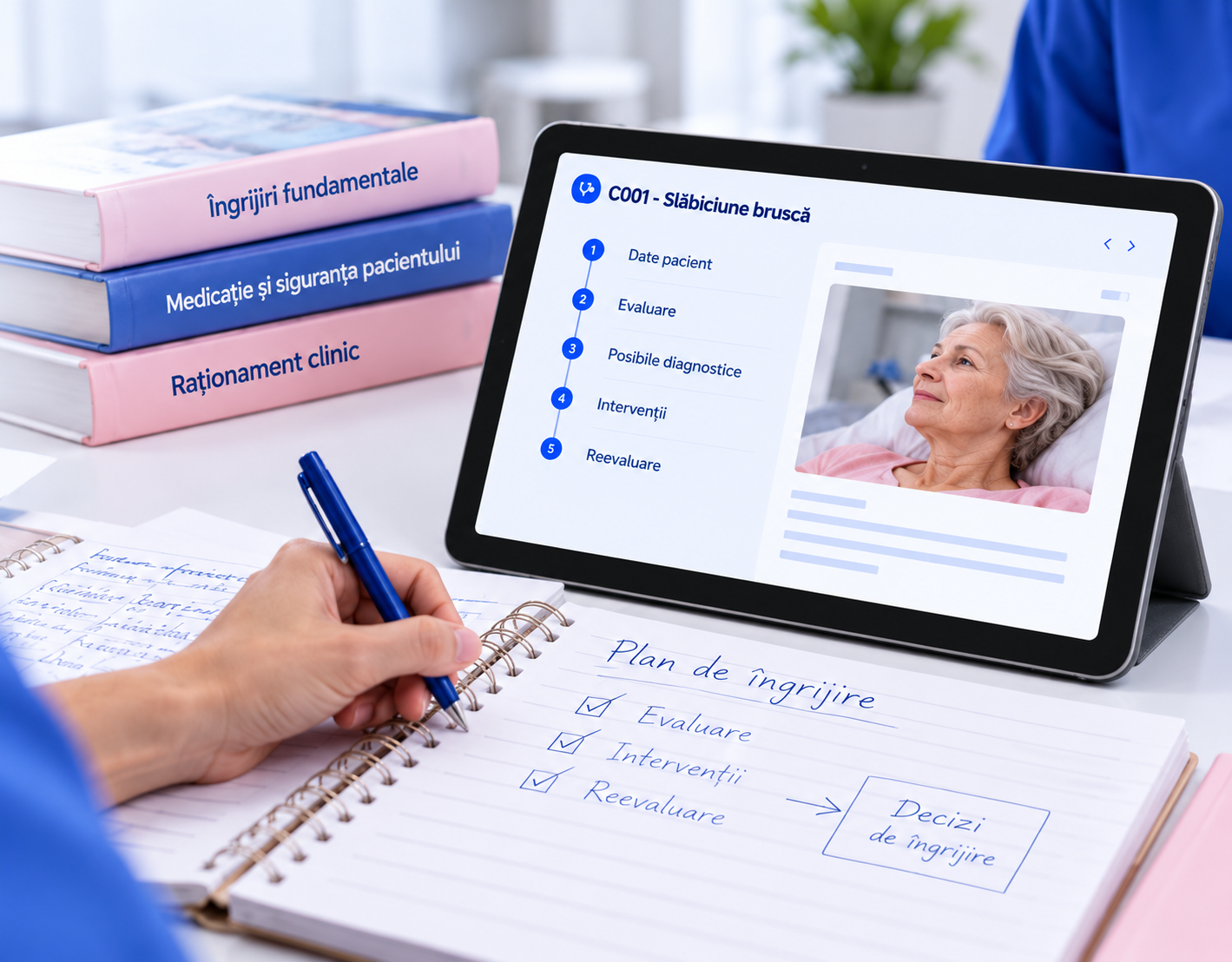
Maria, 67, reports weakness and dizziness. Explore her story before choosing your next step.
The patient is awake and responsive. What would you assess first, and why?
Read the available history, observations and reports. Connect each clue to the patient’s situation.
Explore clinical scenarios in a space for learning.
Browse the case libraryAn adult patient with sudden weakness and dizziness.
A patient with breathlessness and low oxygen saturation.
A patient with acute abdominal pain.
Clinical scenarios for learning and practice.
Different roles. A shared focus on clinical reasoning.
Practise with simulated clinical scenarios and develop your reasoning, step by step.
Bring scenarios and clinical questions into thoughtful, engaging classroom discussions.
Revisit clinical knowledge and explore decisions together with your team.
Learn through choices, reflection and conversations with others.
I do more than choose an answer. I understand why.
I can make mistakes, reflect and try again.
The case becomes a starting point for discussion.
How do we turn knowledge into decisions about care?
A space where future nurses can practise, reflect and revisit their choices.
Try NURSEPatient safety: global data and a European hospital example.
Patients harmed during health care.
Of harm in health care can be prevented.
1 dot ≈ 10,000 falls
Estimated falls among hospital inpatients each year.
Active practice · From theory to decisions · Individual reasoning
From patient information to choosing priorities.
Practise recognising clues that call for reassessment.
Turn reflection into the next step in your learning.
Answers to frequently asked questions.
NURSE centres on a patient story. Your actions, clinical time and new information shape a continuing decision process, with space to reflect on your reasoning.
AI supports dialogue and reflection within the fictional patient’s clinical context. It is a learning tool, not guidance for treating real patients.
Yes. You can describe your professional or educational role during registration. New accounts currently receive student access; choosing an educator profile does not automatically grant teacher permissions.
Explore the case library and open C001 to read its context. Continue as a guest, or create an account to save your activity across devices.
Active practice · From theory to decisions · Individual reasoning
Already have an account? Sign in